
Ready for winter?
How do you overwinter? What do you consider the greatest challenge to successful overwintering? 38 WVBA survey respondents reported average overwintering losses of 46%, just two percentage points different from the 416 OR beekeeper average winter loss. As Figure 3 of the WVBA report illustrates (posted on http://pnwhoneybeesurvey.com/wp-content/uploads/2019/06/WVBA-2019.pdf}, the average losses were the highest for members of the past 5 survey years.
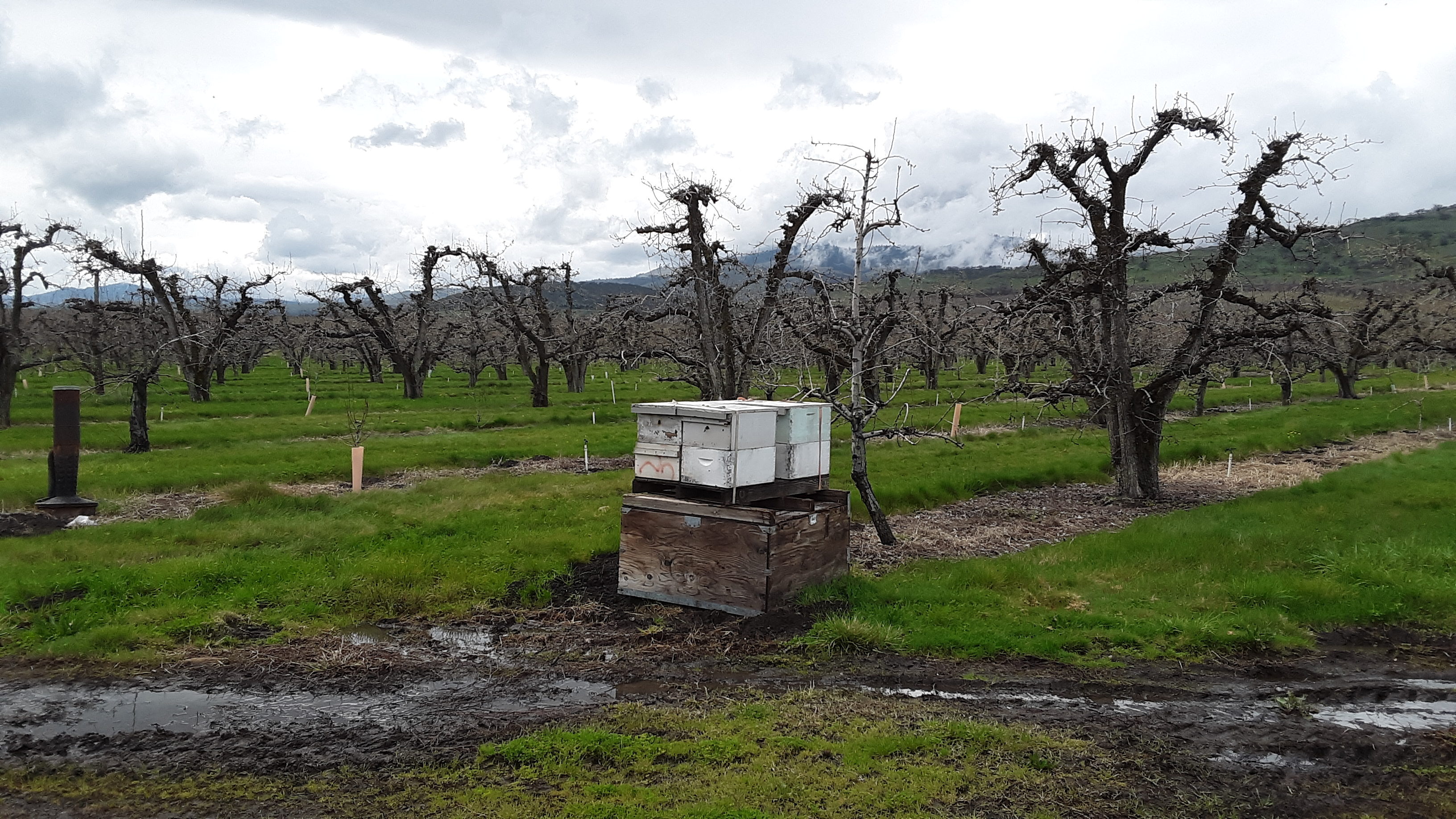
What have you been doing o help improve your overwintering success? As with much in beekeeping, there is no one single right way to overwinter. The minimal approach, i.e. do nothing, whether by design or default (we just didn’t get anything done) was reported by 5 individuals (their loss rate was high, 66%); most WVBA beekeepers are more proactive in their approach to care of bee colonies prior to winter checking on average 2.2 winterizing managements per individual. (Figure 10 illustrates choice selections). With bees forming into a cluster with our colder evenings, effective winter managements are fall actions; we don’t have many options still left this fall. A small number of flowering plants still remain for bees to forage. Look to see if there is pollen coming into colonies. You should find brood rearing significantly diminished if you get the opportunity for a hive inspection. Younger queens still are laying eggs and some colonies still may have some drones in residence. It is too late to correct any disease/mite or queen problems and it is not usually a good idea to do managements such as box reversal. Colonies “heavy” with honey might still be able to “donate” a honey frame to colonies with less food stores but such transfer might be risky this late. It may also be not too late to continue feeding a heavy sugar syrup. High fructose corn syrup is less stimulative than sucrose syrup. We can still provide colonies with a dry sugar (fondant or sugar candy cake). If not yet done, consider helping colonies with moisture management and winter weather protection of the hive itself. We don’t know what our fall weather will offer or if our winter will be mild or long and cold. The PNW survey shows WVBA members are still losing double the colonies that are indicated as acceptable.


